
3 Days / 2 Nights

Siku Tatu Safari

Siku Tatu — ‘Three Days’ in Swahili — is proof that the wild heart of Tanzania can be experienced even within the most limited timeframe. This itinerary is ideal for first-time safari travelers, those extending a business trip, or anyone seeking a powerful introduction to the Northern Circuit. Compact in schedule, yet expansive in memory.

In three carefully structured days, you will travel through three of Tanzania’s most celebrated national parks: Lake Manyara, the Ngorongoro Crater, and Tarangire. Each park offers a distinctly different ecosystem and wildlife character, ensuring that no two game drives feel alike. This safari is fast-paced yet deeply rewarding — designed to deliver the essence of Tanzania without compromise.

$1,437

Starting Per Person
DAY 1: Lake Manyara National Park — Diversity in a Single Landscape

Your adventure begins with an early morning departure from Arusha, heading west into the Great Rift Valley. Lake Manyara National Park is a jewel of ecological variety — within its compact boundaries lie dense groundwater forests, open acacia woodland, grassy floodplains, and the glittering expanse of its alkaline lake.

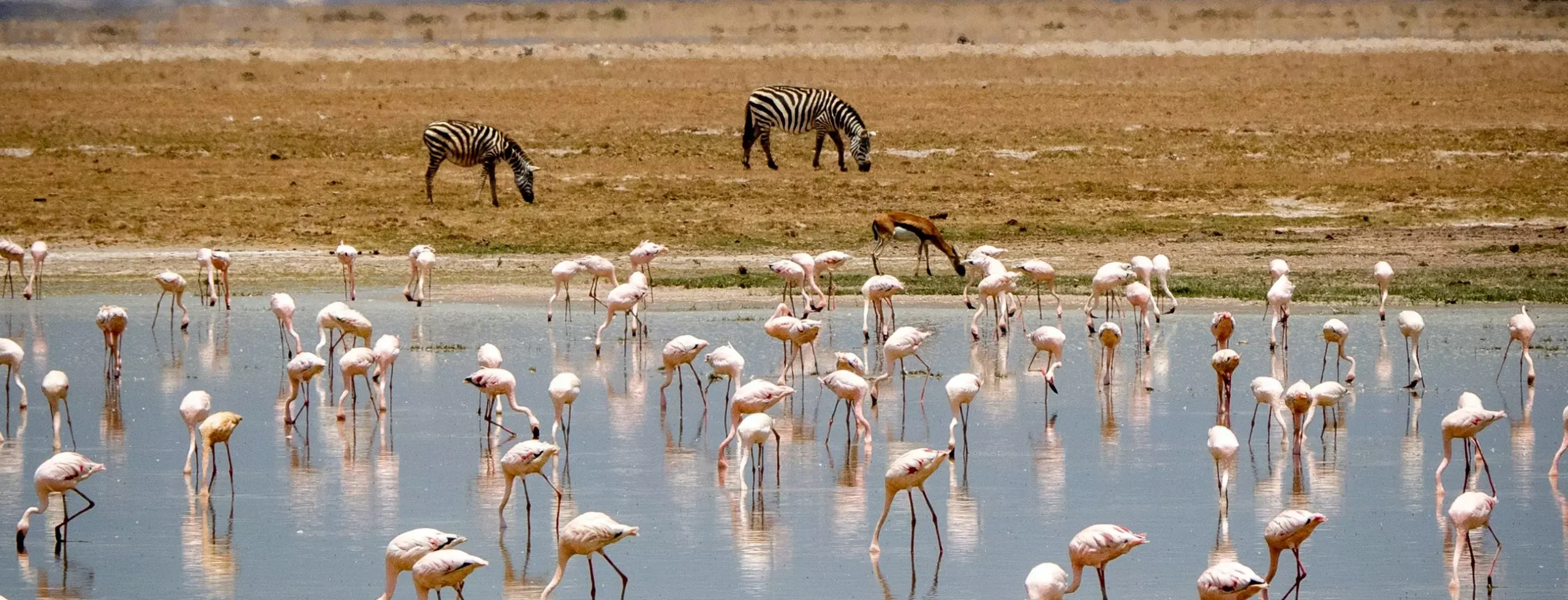
Spend the day exploring at a measured pace, pausing for extended wildlife sightings. Lake Manyara is perhaps best known for its tree-climbing lions — a rare behavioral phenomenon observed here — as well as its vast elephant families navigating the forest floor. The lake itself attracts flamingos, pelicans, fish eagles, and over 380 species of birds, making it a paradise for nature photographers and birdwatchers alike.

As the afternoon light turns golden, return to your lodge for dinner under the stars and a briefing on tomorrow's journey into the crater.
1
DAY 2: Ngorongoro Crater — Africa's Greatest Wildlife Stage

The Ngorongoro Crater is, without question, one of the most remarkable places on Earth. Formed by the collapse of an ancient volcanic caldera some two to three million years ago, it creates a self-contained world measuring 20 kilometers across — a natural amphitheater where wildlife has flourished in extraordinary density for centuries.

This morning, you descend the crater wall to the floor below, where the spectacle begins immediately. The crater supports permanent populations of the Big Five — lion, elephant, buffalo, leopard, and the critically rare black rhinoceros — alongside vast herds of wildebeest and zebra, a resident hippo pool, and the hauntingly beautiful soda lake frequented by thousands of flamingos.

Your guide will navigate thoughtfully, positioning the vehicle for the best sightings while explaining the behaviors and ecology unfolding around you. A bush picnic lunch is enjoyed amid this extraordinary setting before a final afternoon drive and the ascent back to the rim as evening falls.

2
DAY 3: Tarangire National Park — The Kingdom of Elephants

Your final safari day introduces you to Tarangire — a park often underestimated, yet deeply beloved by those who know Tanzania well. Its landscape is one of the most visually dramatic in East Africa: ancient baobab trees of enormous girth rise above open savannah, while the Tarangire River acts as a lifeline for extraordinary concentrations of wildlife during the dry months.

Tarangire is home to one of Africa's largest elephant populations. It is not uncommon to encounter herds of forty or more elephants making their way to the river, accompanied by giraffes, zebras, oryx, and a dazzling variety of birdlife including the yellow-collared lovebird — endemic to this region. Lions are regular sightings, and leopards can occasionally be found resting in the branches of umbrella acacias.

Following your morning game drive, you will be transferred back to Arusha with your memories, photographs, and stories from three remarkable days in the wild.

3

Mammal & Predator Highlights

  • Lion (including tree-climbing lions at Manyara)

  • African Elephant — forest and savannah varieties

  • Black Rhinoceros — Ngorongoro resident population

  • Cape Buffalo in large herds

  • Leopard — forest and woodland habitats

Additional Wildlife

  • Hippopotamus at lake and river pools

  • Giraffe, Masai race — across all three parks

  • Plains Zebra and Blue Wildebeest

  • Flamingo, Pelican, Fish Eagle, and 400+ bird species

  • Baboon, Vervet Monkey, and Mongoose families

SEASON

June – October

WHAT TO EXPECT

Peak dry season. Sparse vegetation reveals wildlife with exceptional clarity. Rivers and waterholes concentrate animals. Ideal for first-time safari guests.

SEASON

November – March

WHAT TO EXPECT

The short and long rains bring lush green landscapes. Fewer tourists, lower pricing, and extraordinary photographic light. Migratory birds arrive in large numbers.

SAFARI INCLUDES

  • Return airport transfers

  • 2 nights’ accommodation (full board)

  • All meals during safari

  • Park and conservation area entry fees

  • Professional English-speaking safari guide

  • Private 4×4 safari vehicle with pop-up roof

  • Bottled water during game drives

  • Pre-departure safari briefing

SAFARI EXCLUDES

  • International and domestic flights

  • Visa fees

  • Travel insurance

  • Tips for driver-guide and lodge staff

  • Personal expenses such as drinks, laundry, and souvenirs

Please enable JavaScript in your browser to complete this form.

ACCOMODATION

Accommodation on the Siku Tatu Safari is provided in carefully selected lodges and permanent tented camps that sit at the edge of the wilderness — close enough to the parks to wake with the sounds of Africa around you. All properties feature en-suite facilities, full-board dining with freshly prepared meals, and warm Tanzanian hospitality. Specific accommodation is confirmed at time of booking based on availability and your preferences.

OPTIONAL EXTENSIONS

Zanzibar Beach Escape: Conclude your Tanzania adventure with a few days on the Spice Island — white sand beaches, turquoise waters, and Swahili culture at its most vibrant. Easily combined with any safari departure.

Maasai Cultural Experience: Spend time with a traditional Maasai community near Arusha or along the crater rim — witnessing warrior traditions, cattle culture, and the extraordinary hospitality of East Africa’s most iconic people.